Top Best Wreck Diving Destinations
4 destinations, ranked by community rating
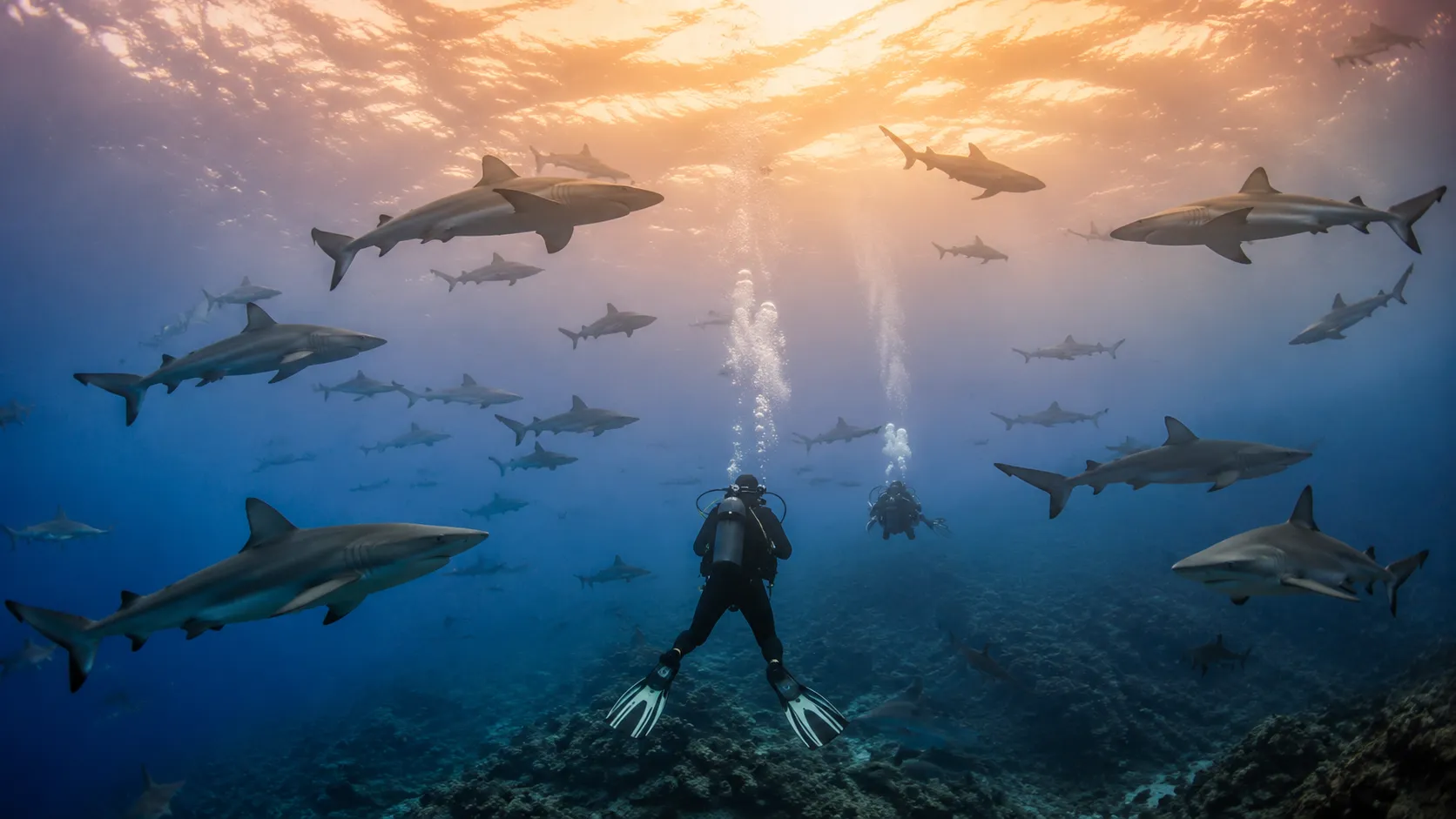
Palau
Palau - 4.8/5
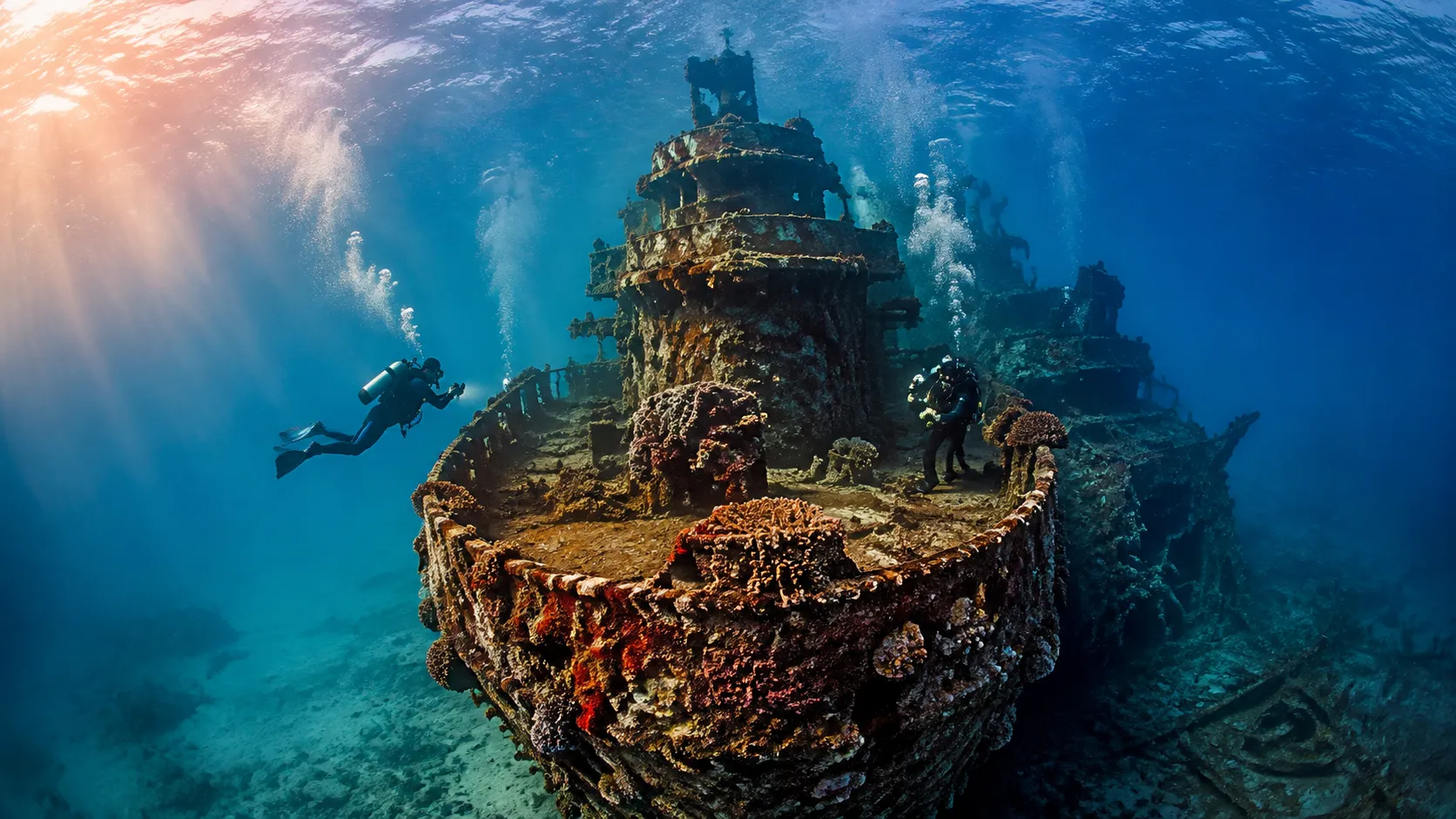
Chuuk Lagoon
Micronesia - 4.7/5
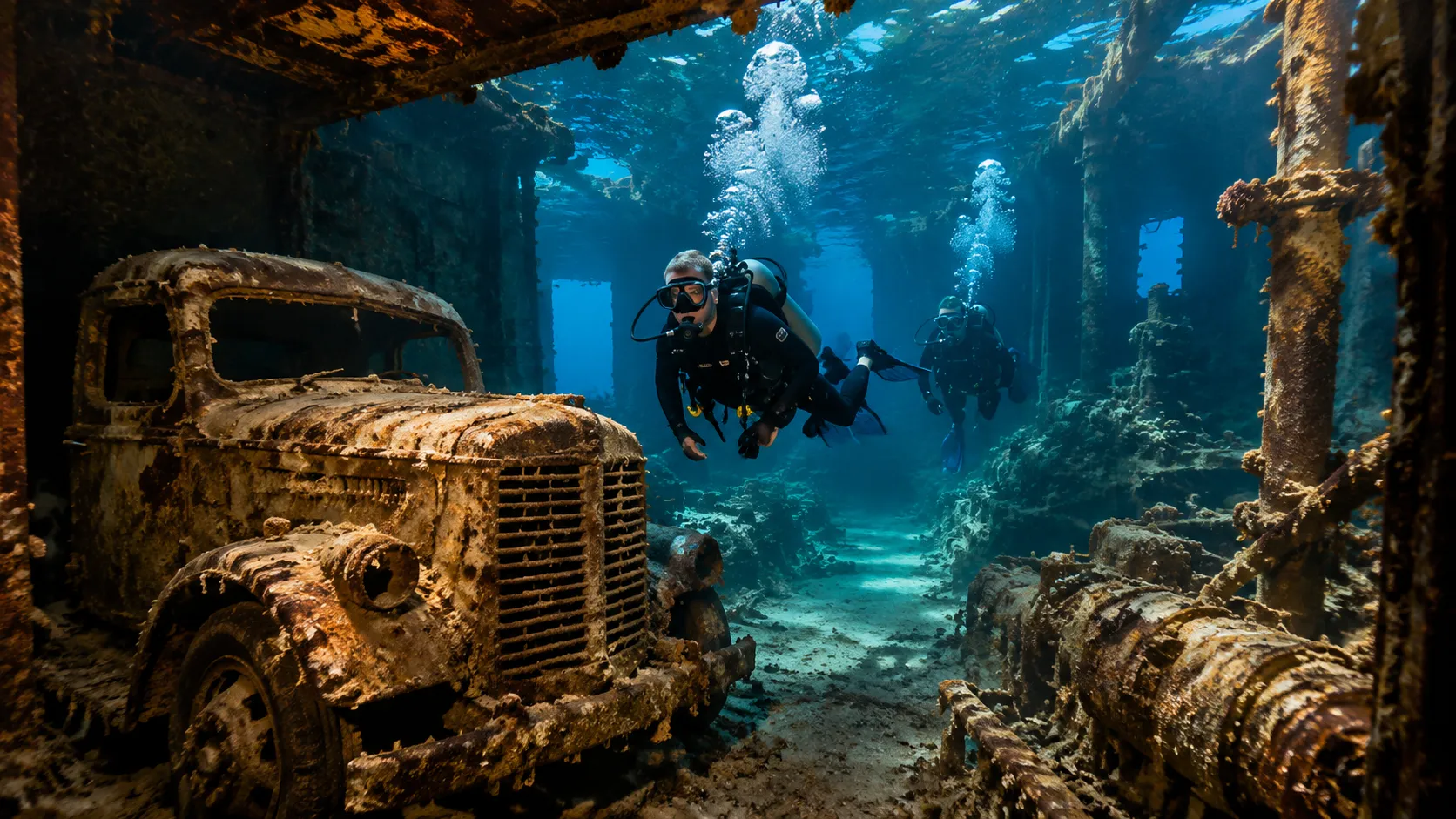
Ras Mohammed
Egypt - 4.3/5
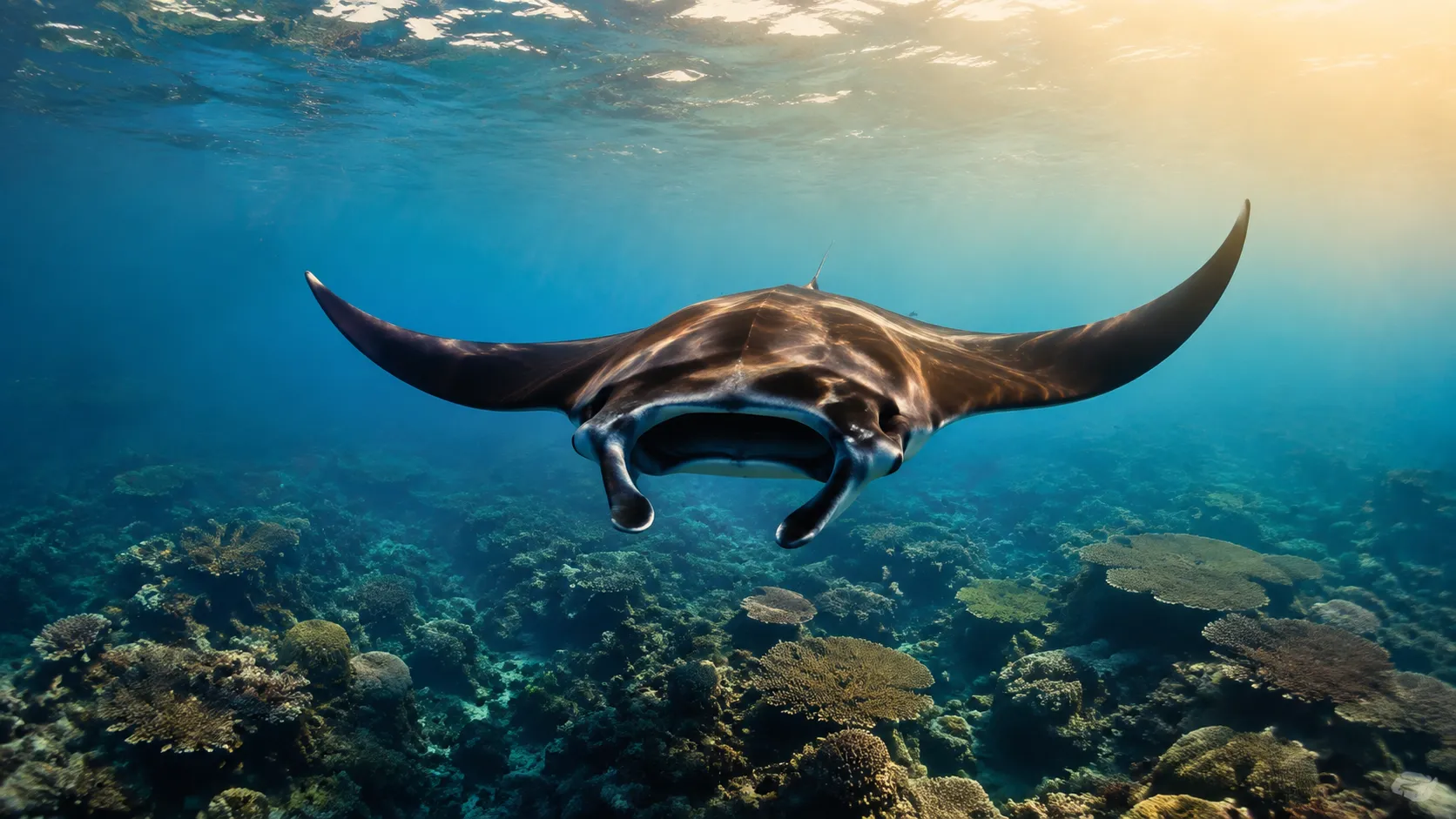
Bali
Indonesia - 4.2/5
Top Picks in Detail
What makes each destination in this collection stand out, based on community ratings and our editorial research.
Palau, Palau - 4.8/5
The shark diving capital with the legendary Blue Corner and Jellyfish Lake.
With 30m visibility and 28°C water, Palau dives best from Nov, Dec, Jan, Feb, Mar, Apr, May. Daily costs average $220, and the signature sites are Blue Corner and German Channel. Its intermediate difficulty profile and premium pricing tier make it a strong candidate for this collection.
Chuuk Lagoon, Micronesia - 4.7/5
The world's greatest wreck diving - a WWII Japanese fleet frozen in time.
With 25m visibility and 28°C water, Chuuk Lagoon dives best from Dec, Jan, Feb, Mar, Apr. Daily costs average $200, and the signature sites are Fujikawa Maru and Shinkoku Maru. Its advanced difficulty profile and premium pricing tier make it a strong candidate for this collection.
Ras Mohammed, Egypt - 4.3/5
The best value diving in the world with the legendary SS Thistlegorm wreck.
With 35m visibility and 25°C water, Ras Mohammed dives best from Mar, Apr, May, Sep, Oct, Nov. Daily costs average $80, and the signature sites are SS Thistlegorm and Shark Reef and Yolanda Reef. Its beginner difficulty profile and budget pricing tier make it a strong candidate for this collection.
Bali, Indonesia - 4.2/5
The ultimate dive vacation island - muck diving mecca meets manta ray magic.
With 20m visibility and 27°C water, Bali dives best from Apr, May, Jun, Jul, Aug, Sep, Oct, Nov. Daily costs average $80, and the signature sites are USAT Liberty Wreck and Manta Point. Its beginner difficulty profile and budget pricing tier make it a strong candidate for this collection.
Collection at a Glance
Quick comparison of the destinations in this collection.
| Destination | Rating | Visibility | Temp | Cost/day | Best months | Difficulty |
|---|---|---|---|---|---|---|
| Palau | 4.8/5 | 30m | 28°C | $220 | Nov, Dec, Jan, Feb, Mar, Apr, May | intermediate |
| Chuuk Lagoon | 4.7/5 | 25m | 28°C | $200 | Dec, Jan, Feb, Mar, Apr | advanced |
| Ras Mohammed | 4.3/5 | 35m | 25°C | $80 | Mar, Apr, May, Sep, Oct, Nov | beginner |
| Bali | 4.2/5 | 20m | 27°C | $80 | Apr, May, Jun, Jul, Aug, Sep, Oct, Nov | beginner |
Frequently Asked Questions
What is the most famous wreck dive?
The SS Thistlegorm in the Red Sea is the world's most famous recreational wreck - a WWII armed merchant ship sunk in 1941, packed with trucks, motorbikes, and locomotives. It sits at 16-33 meters, diveable by Advanced Open Water divers, and is the highlight of most Red Sea itineraries.
What wrecks can beginners dive?
Shallow wrecks - like the USS Kittiwake in the Cayman Islands and artificial reefs in the Caribbean - sit at 15-25 meters and are open to Open Water divers. Penetration (swimming inside) is strictly for trained wreck divers, but most famous wrecks can be fully enjoyed from the exterior and deck.
How do wrecks become artificial reefs?
Over decades, wrecks develop their own ecosystems: hard corals and sea fans colonise superstructures, while schools of snapper, barracuda, and grouper use them as shelter. Many wrecks are intentionally sunk - cleaned, stripped, and positioned - to create dive sites and relieve pressure on natural reefs.
What training do I need for wreck penetration?
Penetration requires a dedicated Wreck Diver specialty plus appropriate equipment: reels, primary and backup lights, and stage bottles for deeper wrecks. Most recreational divers enjoy famous wrecks without entering - the exterior, decks, and swim-throughs provide plenty of adventure at much lower risk.
Explore More Collections
Browse related collections and dive guides to expand your shortlist.