Dive Destination Directory

Find the Best Places
to Scuba Dive

27 destinations ranked across 25+ data points — compare visibility, marine life, budget, season, and difficulty to find the world's best place for your next dive.

Community-rated, not one person's opinion 25+ data points per destination Side-by-side comparisons
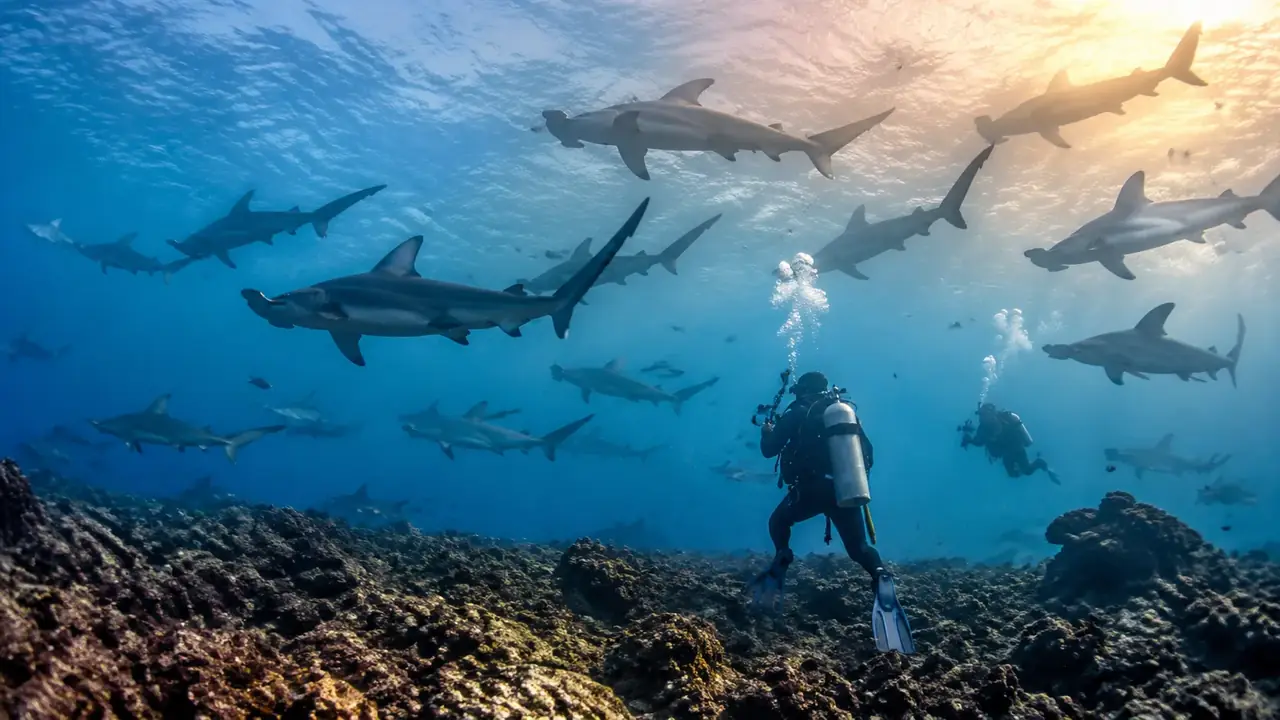
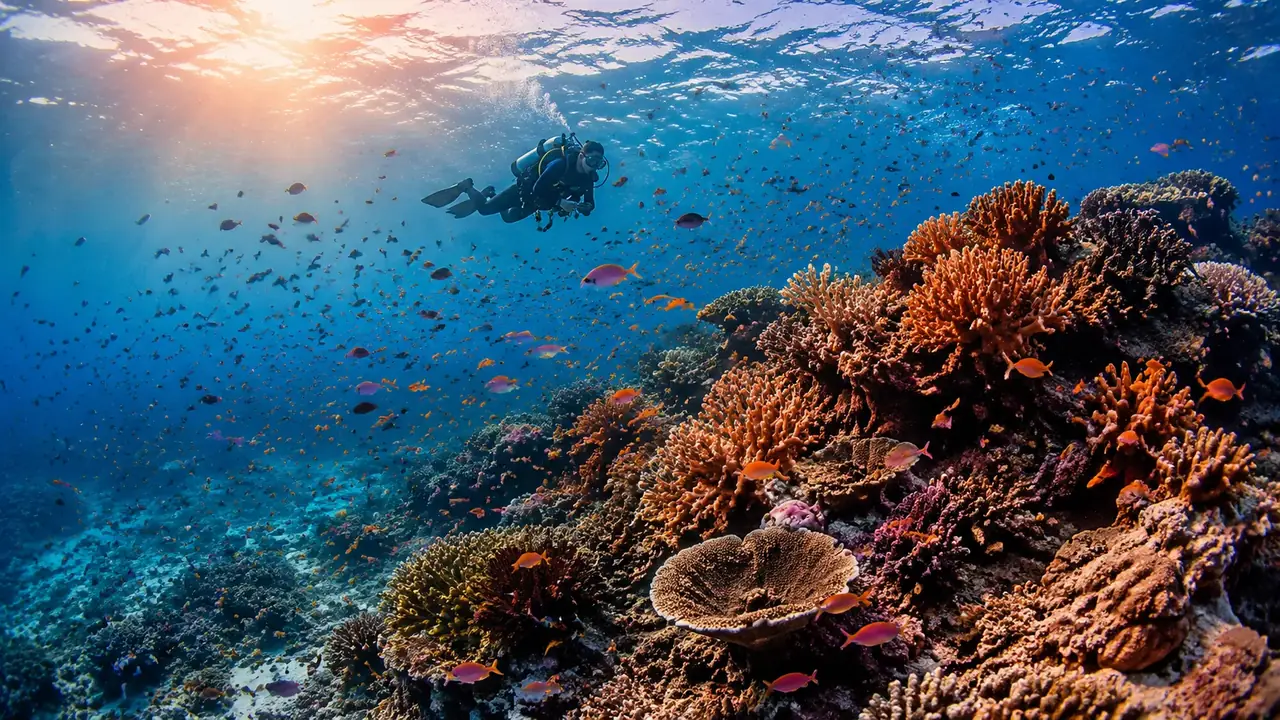
Choosing where to scuba dive is harder than it looks. Visibility, marine life, currents, budget, and season all shift dramatically from one destination to the next. A site that is world-class in December might be washed out by monsoons in June. A beginner-friendly reef in the Maldives shares the same ocean with an advanced drift dive in Komodo that demands 50+ logged dives.

That is why we built DiveAtlas —the first data-driven dive destination directory that compares every major scuba site across 25+ objective data points. Whether you are planning your first Open Water trip or chasing hammerheads at 40 meters, our goal is to help you find the right destination, at the right time, for your budget and skill level.

Below you will find data-ranked top picks, an interactive destination finder, a world map of dive sites, and detailed guides organized by ocean, experience level, marine life, budget, and season. Every destination page includes real-world data on visibility ranges, water temperatures, best months to visit, daily costs, required certifications, and detailed breakdowns of the best dive spots at each location.

How We Rate Destinations

Each destination receives an overall rating based on seven weighted criteria: marine life abundance, coral health, visibility, accessibility, seasonal reliability, value for money, and uniqueness of experience. Ratings are reviewed quarterly and cross-referenced against diver community feedback, operator reports, and official marine park records.

Who This Guide Is For

Newly certified divers looking for gentle, confidence-building sites. Experienced divers chasing pelagics, deep walls, and technical wrecks. Budget-conscious travelers who want world-class diving without the liveaboard price tag. Liveaboard enthusiasts searching for remote, untouched reefs. Whatever your profile, DiveAtlas helps you compare options side by side.

WATCH

The World's Best Scuba Diving Destinations, in 8 Minutes

A visual tour of the destinations every diver should know — from Raja Ampat's Coral Triangle reefs to the Red Sea's legendary wrecks. Watch it to shortlist before you dive into our data.

QUICK MATCH

What Kind of Diver Are You?

DIVE DESTINATION FINDER

Find Your Perfect Destination

Step 1: When are you planning to dive?

Or

EDITOR'S CHOICE

Best Places to Scuba Dive: Our Top Picks for 2026

After analyzing 27 destinations across 25 data points — visibility, marine life, accessibility, seasonality, and value — these three destinations stand out for their unmatched combination of marine life, accessibility, and overall dive experience.

DIVING BUDGET GUIDE

What Does Scuba Diving Cost?

From $18/day shore diving in Bali to $400+/day liveaboards in the Galapagos — here is what you can expect at every budget level, with real destinations and real daily costs.

$ Budget

Under $100/day

Affordable shore diving, backpacker-friendly destinations

$$ Mid-Range

$100–200/day

Great value with comfortable amenities and reliable operators

Example Destinations

$$$ Premium

$200–400/day

Liveaboards, remote atolls, top-tier biodiversity experiences

$$$$ Luxury

$400+/day

Exclusive resorts, private charters, bucket-list encounters

INTERACTIVE MAP

Where to Scuba Dive

Click a region to zoom in, or scroll to discover dive sites across six oceans. Each dot is a rated destination with full data — click through to compare.

MARINE LIFE CALENDAR

When to See What

Marine life follows seasonal patterns. Use this calendar to find which months give you the best chance of encountering the creatures on your bucket list — from whale sharks to coral spawning events.

Marine Life JanFebMarAprMayJunJulAugSepOctNovDec
🦈 Sharks
10
10
14
20
17
15
12
13
15
15
18
13
🐬 Manta Rays
9
9
13
18
15
14
11
12
14
14
16
12
🐋 Whale Sharks
7
7
11
16
12
12
9
10
12
12
15
11
🐢 Turtles
10
10
14
20
17
15
12
13
15
15
18
13
🪸 Coral Reefs
10
10
14
20
17
15
12
13
15
15
18
13
🔍 Macro Life
10
10
14
20
17
15
12
13
15
15
18
13
Peak season Good Possible Off season

Numbers show how many top destinations have peak conditions for each marine life type that month

BROWSE BY

Ocean

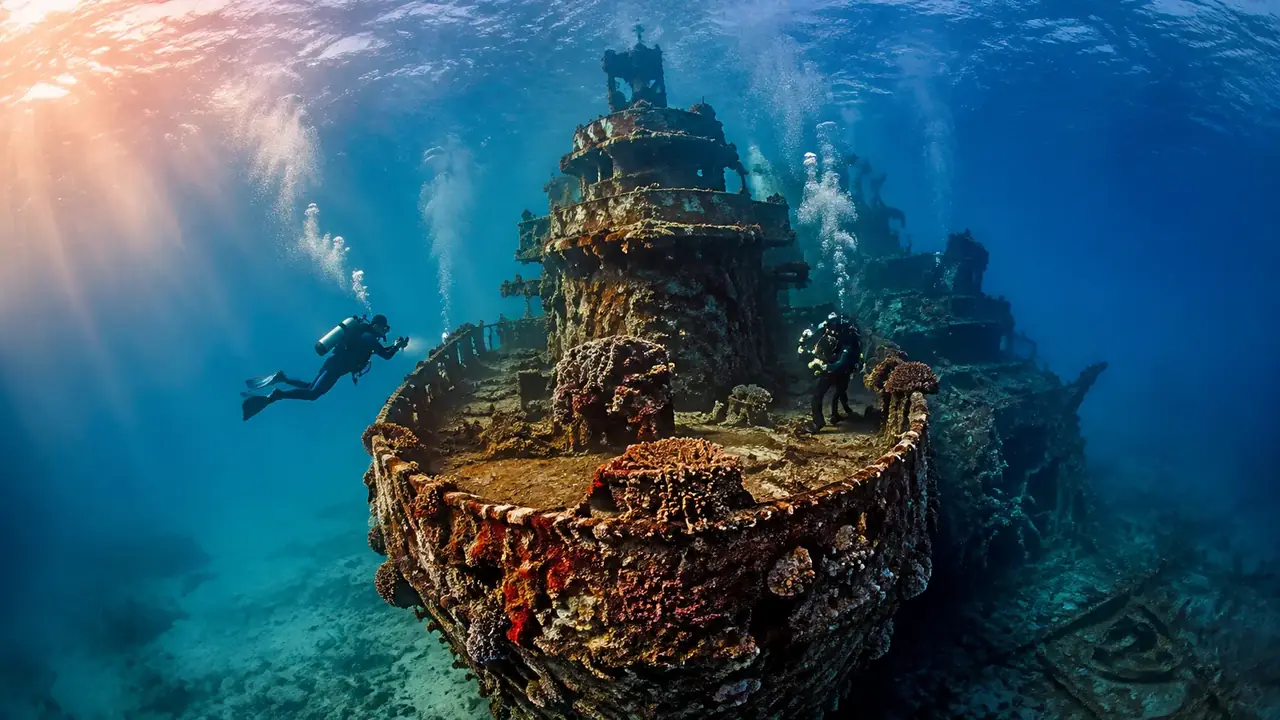
The Pacific hosts the Coral Triangle —the most biodiverse marine ecosystem on Earth, home to over 75% of the world's coral species and 3,000+ fish species. The Caribbean offers year-round warm water, easy shore diving, and vibrant reefs accessible to beginners. The Red Sea is the wreck diving capital of the world with legendary sites like the Thistlegorm and Blue Hole. The Indian Ocean delivers luxury atolls and reliable megafauna encounters in the Maldives and Seychelles.

TOP RATED

Best Scuba Diving in the World

Galapagos Islands scuba diving

Galapagos Islands

4.9

Ecuador

Season Jun-Jul
Vis 20m
Level Advanced

The ultimate big-animal diving destination - Darwin and Wolf await

Raja Ampat scuba diving

Raja Ampat

4.9

Indonesia

Season Oct-Nov
Vis 30m
Level Intermediate

The epicenter of marine biodiversity - the Amazon of the seas

Cocos Island scuba diving

Cocos Island

4.8

Costa Rica

Season Jun-Jul
Vis 25m
Level Advanced

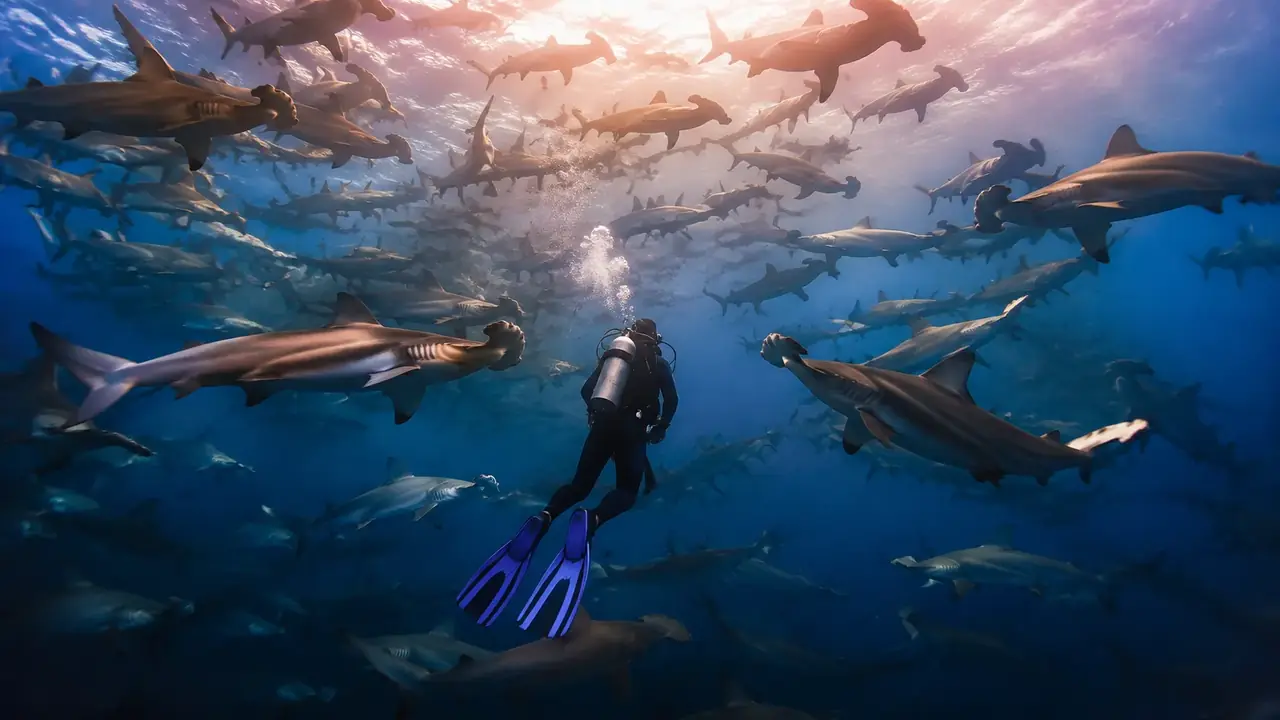
The Island of Sharks - hammerhead schools so dense they block out the sun

Komodo National Park scuba diving

Komodo National Park

4.8

Indonesia

Season Apr-May
Vis 25m
Level Advanced

The wild heart of the Coral Triangle - where dragons meet dragons of the deep

Palau scuba diving

Palau

4.8

Palau

Season Nov-Dec
Vis 30m
Level Intermediate

The shark diving capital with the legendary Blue Corner and Jellyfish Lake

Tubbataha Reefs scuba diving

Tubbataha Reefs

4.8

Philippines

Season Mar-Apr
Vis 35m
Level Intermediate

The crown jewel of the Philippines - only accessible by liveaboard, and worth every mile

Chuuk Lagoon scuba diving

Chuuk Lagoon

4.7

Micronesia

Season Dec-Jan
Vis 25m
Level Advanced

The world's greatest wreck diving - a WWII Japanese fleet frozen in time

Fernando de Noronha scuba diving

Fernando de Noronha

4.7

Brazil

Season Aug-Sep
Vis 30m
Level Intermediate

Brazil's diving jewel - spinner dolphin bay and year-round turtle encounters

Maldives scuba diving

Maldives

4.7

Maldives

Season Nov-Dec
Vis 35m
Level Beginner

The world's most accessible luxury diving - gentle currents and abundant megafauna

Rangiroa scuba diving

Rangiroa

4.7

French Polynesia

Season May-Jun
Vis 40m
Level Advanced

Pass diving with dolphins, hammerheads, and the great hammerhead sharks

Sipadan scuba diving

Sipadan

4.7

Malaysia

Season Apr-May
Vis 30m
Level Intermediate

Jacques Cousteau's favorite - a limestone pinnacle rising 600 meters from the ocean floor

Bonaire scuba diving

Bonaire

4.6

Bonaire

Season Jan-Feb
Vis 25m
Level Beginner

Shore diving freedom - the world's best self-guided dive destination

SEASONAL PICKS

Best Diving Right Now

CURATED LISTS

Collections

DIVE SHOPS

World-Class Dive Operators, at a Glance

From PADI 5-Star IDC resorts to local eco-operators, here are some of the most trusted dive shops worldwide — organized by destination so you can find the right operator for your trip.

FROM THE DIVE COMMUNITY

What Divers Say About These Destinations

Real quotes from divers on Reddit's r/scuba, linked to the original discussion so you can verify every word. These are commenters' own opinions — not DiveAtlas endorsements — and they include both praise and honest caveats.

“The only place we've returned to is Palau — three times in nine years. Nothing comes close to Palau in terms of healthy ecosystem (reefs, wildlife variety and abundance), near limitless visibility, and quality of dive sites.”
u/mitchsn · r/scuba ↗
See Palau data →
“Raja Ampat can't be beat. The only downsides are that it's a bit difficult to get to, the dives are on the deeper side, and current is medium to strong almost always. Small price to pay in my opinion.”
u/Quizzub · r/scuba ↗
See Raja Ampat data →
“Cocos Island, Costa Rica. Hands down the best diving I've ever done. Saw sharks on every dive — schools of hammerheads and a whale shark. I don't recommend it for anyone with fewer than 100 dives.”
u/WTFO4 · r/scuba ↗
See Cocos Island data →
“The unique ability to go on your own without a guide and shore dive basically anywhere on the west side of the island is really cool. While Bonaire doesn't really hold a candle to Komodo, it's still quite good.”
u/vash1012 · r/scuba ↗
See Bonaire data →

Honest expectations: Divers disagree — and that's the point of this section. Quizzub calls Raja Ampat's currents "medium to strong almost always"; WTFO4 sets a 100-dive minimum for Cocos Island; vash1012 ranks Komodo above Bonaire. We publish the data; the debate stays with the community. Quotes come from a single public r/scuba thread (2022) and will grow as more divers share their experiences.

WHY TRUST DIVEATLAS

Data-Driven, Community-Checked

Every destination in our directory is researched, rated, and reviewed using a consistent methodology grounded in publicly available data: marine park records, certification agency statistics, operator reports, and diver community feedback. Rankings are recalculated quarterly from the same 27-destination dataset.

27

Destinations Catalogued

25+

Data Points per Destination

7

Rating Criteria

5

Oceans & Seas Covered

25+ Data Points

Visibility, temperature, currents, marine life scores, seasonality, budget, certification requirements, and more — all verified and updated quarterly.

Community-Validated

Ratings are cross-referenced against diver reviews, forum discussions, and expert trip reports to ensure accuracy. We incorporate feedback from the global dive community.

Independently Reviewed

No paid placements, no affiliate bias. Every destination guide is fact-checked against current conditions, official records, and local dive operator reports before publication.

DiveAtlas is an independent, data-driven dive destination directory. We are not affiliated with PADI, SSI, or any certification agency. We do not accept paid placements — every rating is based on our methodology, not advertising dollars.

Last updated: August 2026 · Content reviewed quarterly · 27 destinations catalogued

OUR METHODOLOGY

How We Rank Dive Destinations

Every rating and recommendation on DiveAtlas follows the same transparent, repeatable process. We combine structured destination data with community intelligence — diver reviews, forum discussions, and operator reports — so rankings stay grounded in what divers actually experience, not in any single opinion.

Global Reach

Our dataset spans 27 destinations across five oceans and seas — from the Coral Triangle to the Caribbean, from the Red Sea to the Galapagos — covering every major dive region on the map.

Standardized Criteria

Every destination is scored on the same seven weighted criteria: marine life abundance, coral health, visibility, accessibility, seasonal reliability, value for money, and uniqueness of experience. Scores are recalculated quarterly.

Cross-Referenced Sources

Ratings are validated against diver reviews, liveaboard operator reports, marine park records, and certification agency data — so no single source can skew a destination's score.

CERTIFICATION GUIDE

Which Certification Level Is Right for You?

Your certification determines which dive sites and experiences are accessible to you. Here is what each level unlocks and where you can go with it.

🌊

Open Water Diver

OW Max depth: 18m / 60ft

Prerequisites

None (10+ years old)

Unlocks

Reef dives, shallow wrecks, guided group dives

Where to Go

Bonaire, Cozumel, Koh Tao, Great Barrier Reef, Maldives (house reef)

🎯

Advanced Open Water

AOW Max depth: 30m / 100ft

Prerequisites

Open Water + 5 adventure dives

Unlocks

Deep dives, drift dives, night dives, most liveaboards, Blue Hole (Belize)

Where to Go

Raja Ampat, Palau, SS Thistlegorm, Similan Islands, Belize Blue Hole

🛟

Rescue Diver

Rescue Max depth: 30m / 100ft

Prerequisites

AOW + EFR training + 20 dives

Unlocks

Leadership roles, dive guide assistant, emergency preparedness — recommended for any serious diver

Where to Go

All destinations — this is about safety, not depth limits

Divemaster

DM Max depth: 40m / 130ft

Prerequisites

Rescue + 60 dives + medical clearance

Unlocks

Professional-level guiding, leading certified divers, working at dive shops worldwide

Where to Go

Komodo, Galapagos, Truk Lagoon, Cocos Island — destinations that require proven experience

🏆

Instructor (OWSI)

Instructor Max depth: 40m / 130ft

Prerequisites

DM + 100 dives + IE exam

Unlocks

Teach and certify new divers, run dive centers, specialized instructor ratings (wreck, deep, nitrox)

Where to Go

Koh Tao (largest cert center globally), Utila, Gili Islands, Cairns

Pro tip: Many of the world\'s best dive sites require Advanced Open Water certification and 50+ logged dives. If you\'re serious about diving, getting your AOW is the single highest-ROI investment you can make.

Frequently Asked Questions

Where is the best scuba diving in the world?

Raja Ampat, Indonesia is widely considered the best for marine biodiversity with over 1500 fish species. The Galapagos and Cocos Island lead for big-animal encounters, while the Maldives excels for accessible luxury diving with reliable manta ray and whale shark encounters.

What is the best scuba diving for beginners?

Bonaire, Cozumel, the Maldives, and the Great Barrier Reef are excellent for beginners. They offer warm water, good visibility, gentle currents, and abundant marine life at accessible depths.

When is the best time to scuba dive?

The best diving season varies by destination. The Maldives peaks November to April, Raja Ampat October to April, the Red Sea March to November, and the Caribbean December to May.

How much does a scuba diving trip cost?

Scuba diving trips range from $60/day at budget destinations like Anilao to $400+/day at luxury liveaboards in the Galapagos. A typical mid-range destination costs $100-200/day.

What certification do I need to scuba dive?

Open Water certification is sufficient for most recreational dive sites. Advanced Open Water is recommended for deeper sites, drift diving, and liveaboards. Some destinations require Advanced certification and 50+ logged dives.