Macro diving reveals the ocean's smallest, strangest inhabitants. Pygmy seahorses smaller than a fingernail, flamboyant cuttlefish, blue-ringed octopus, and harlequin shrimp. These muck diving capitals are rated 4+ for critter density and diversity.
Best Destinations for Macro Life (14 rated 4+)
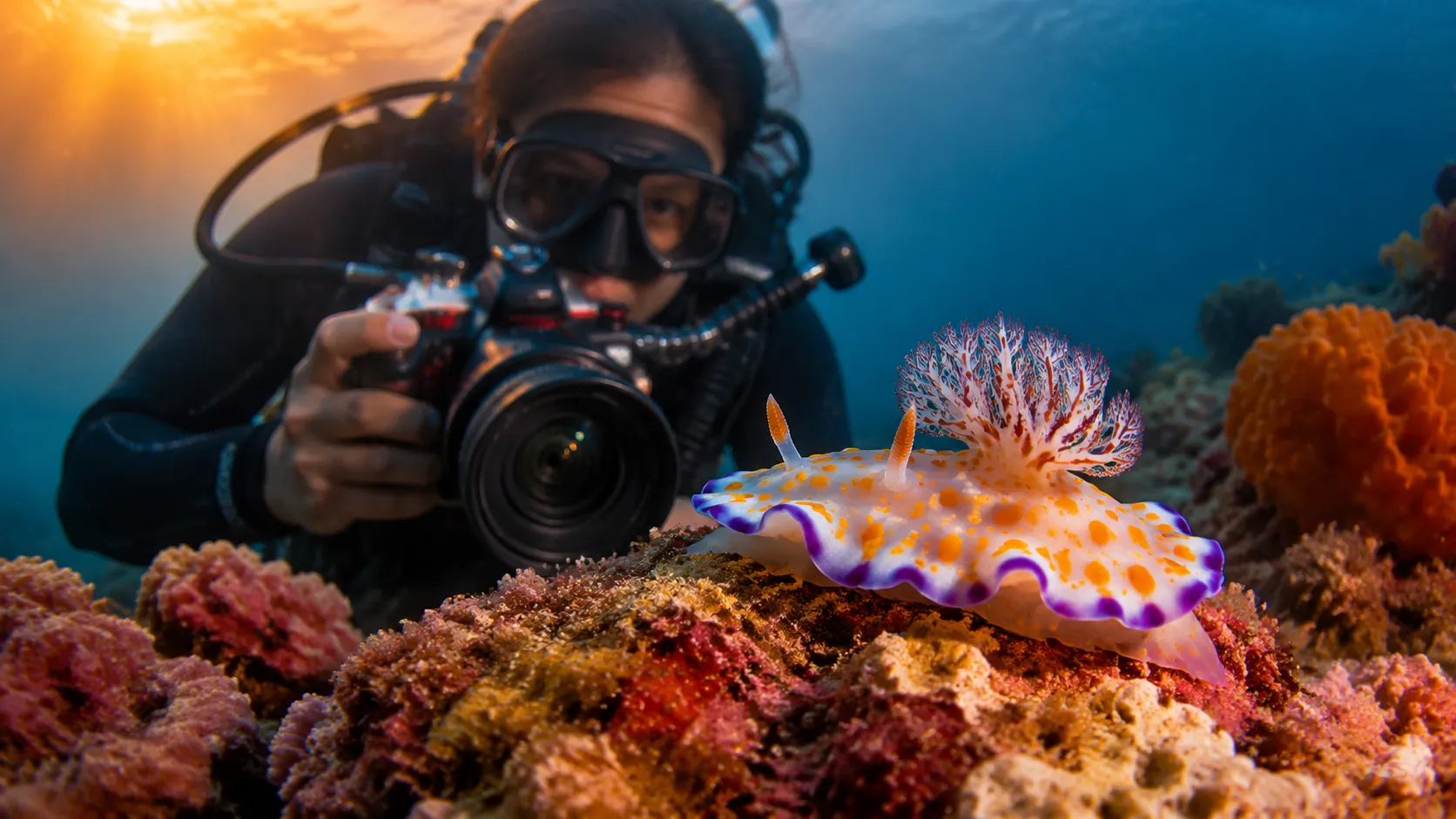
Anilao
Philippines - 5/5 macro life
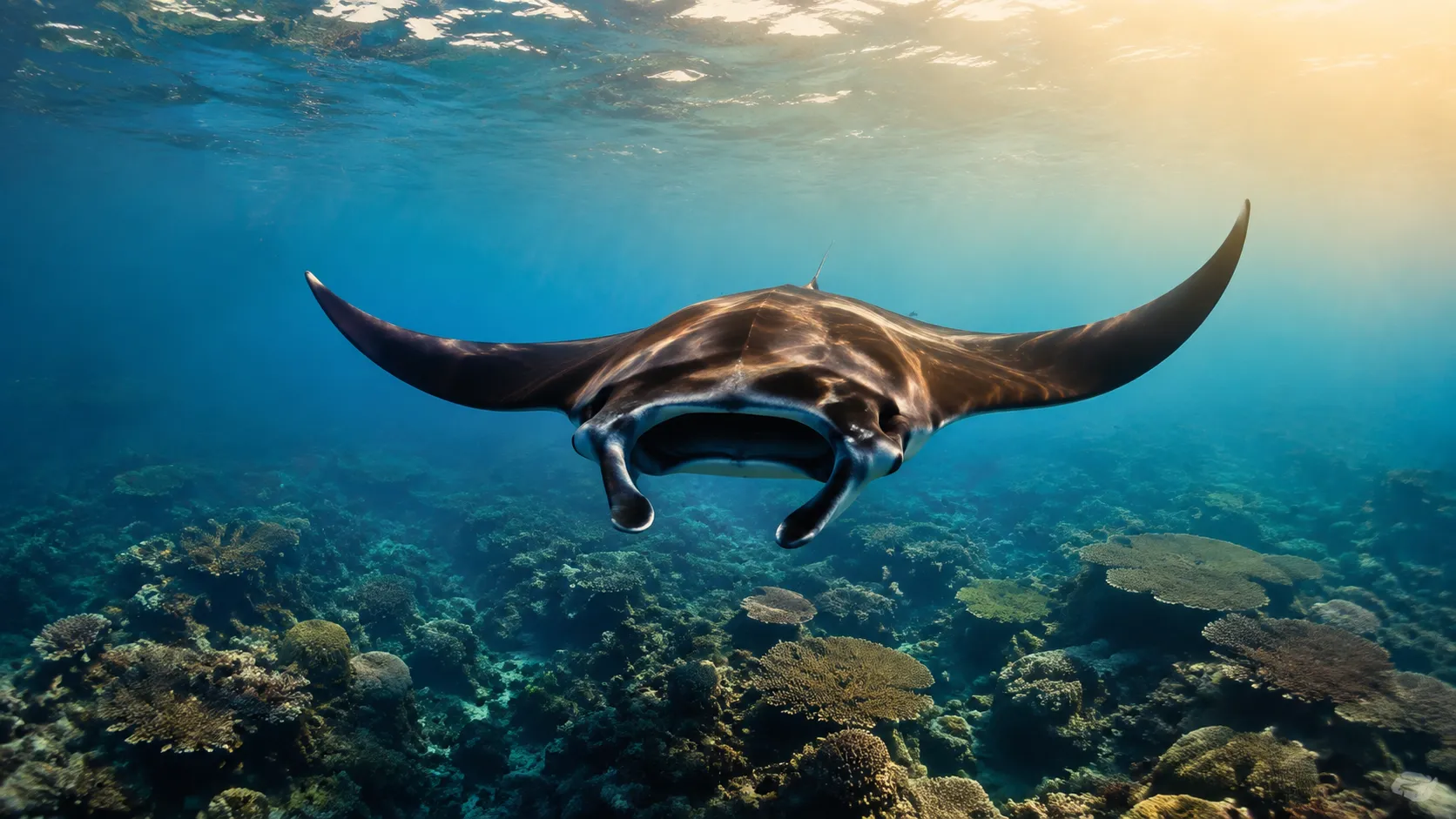
Bali
Indonesia - 5/5 macro life
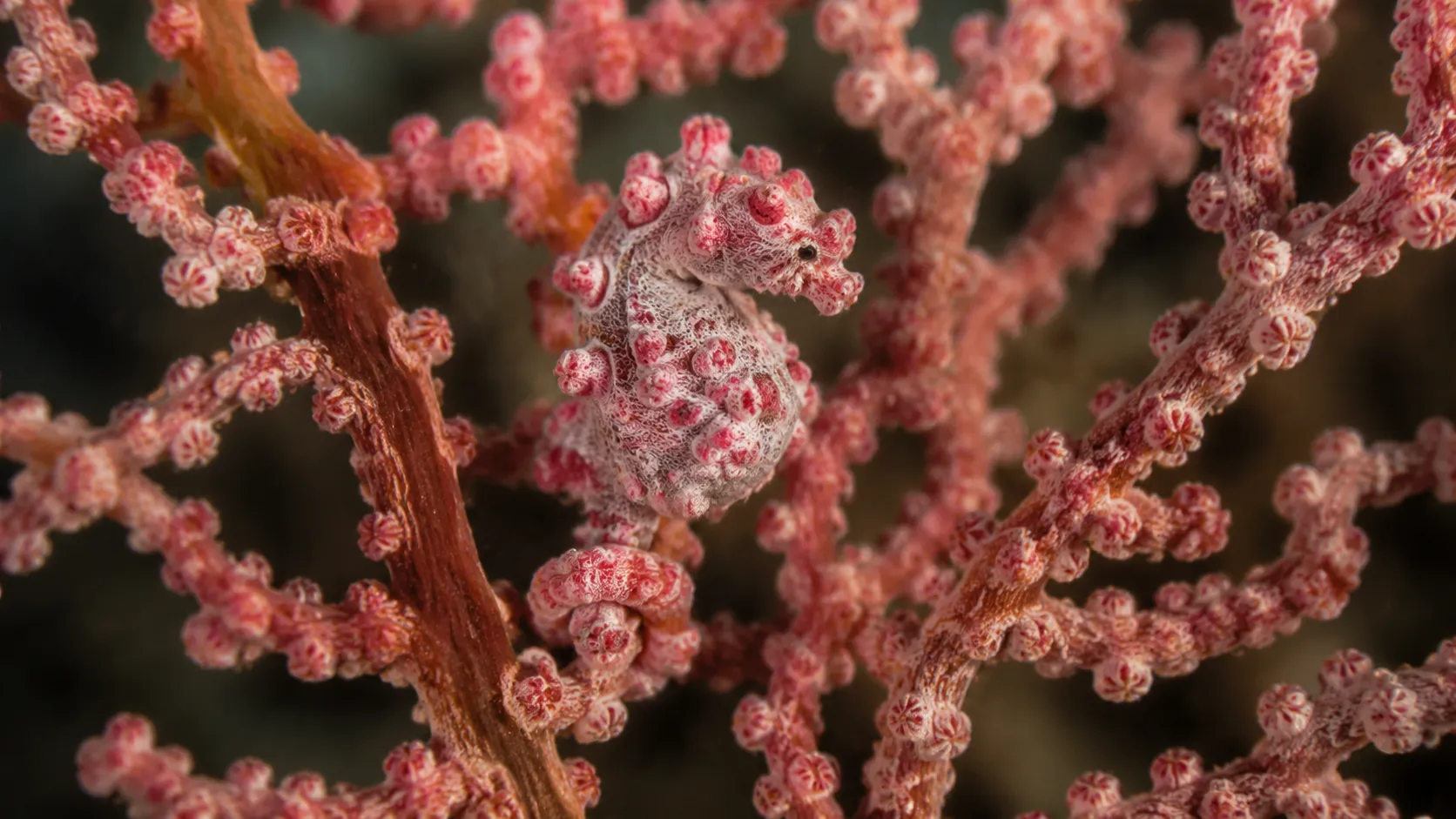
Lembeh Strait
Indonesia - 5/5 macro life
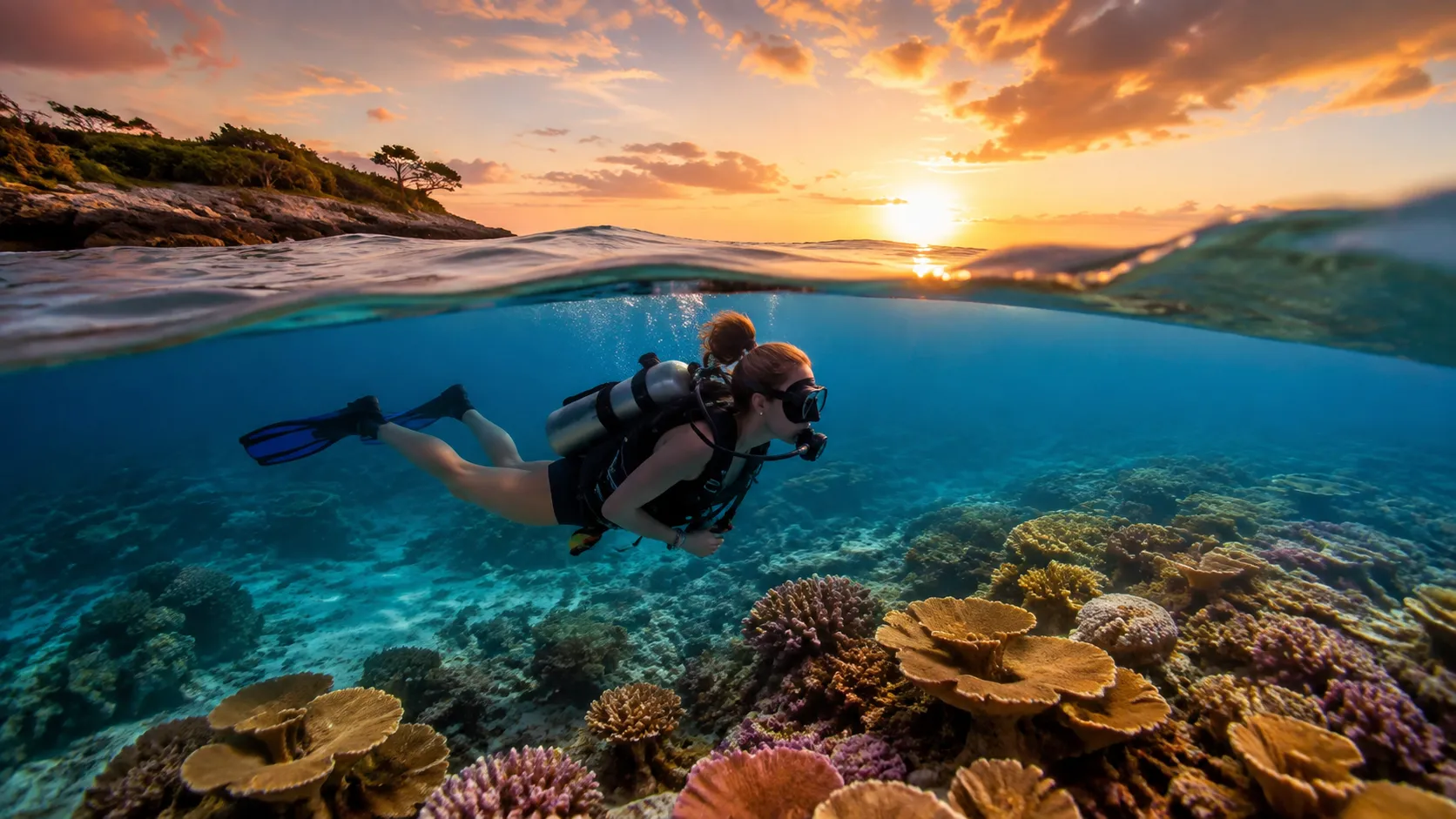
Bonaire
Bonaire - 4/5 macro life
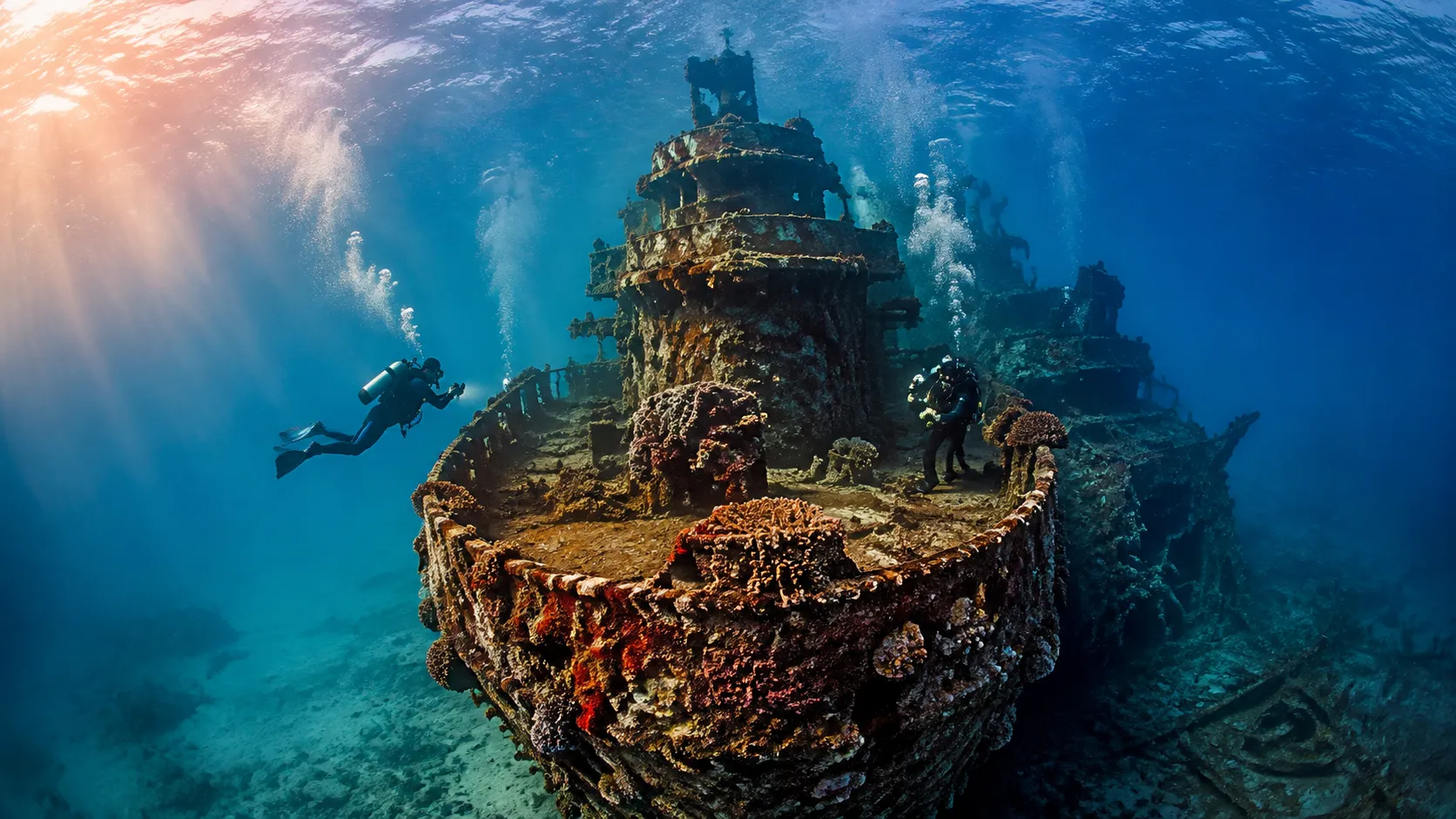
Chuuk Lagoon
Micronesia - 4/5 macro life
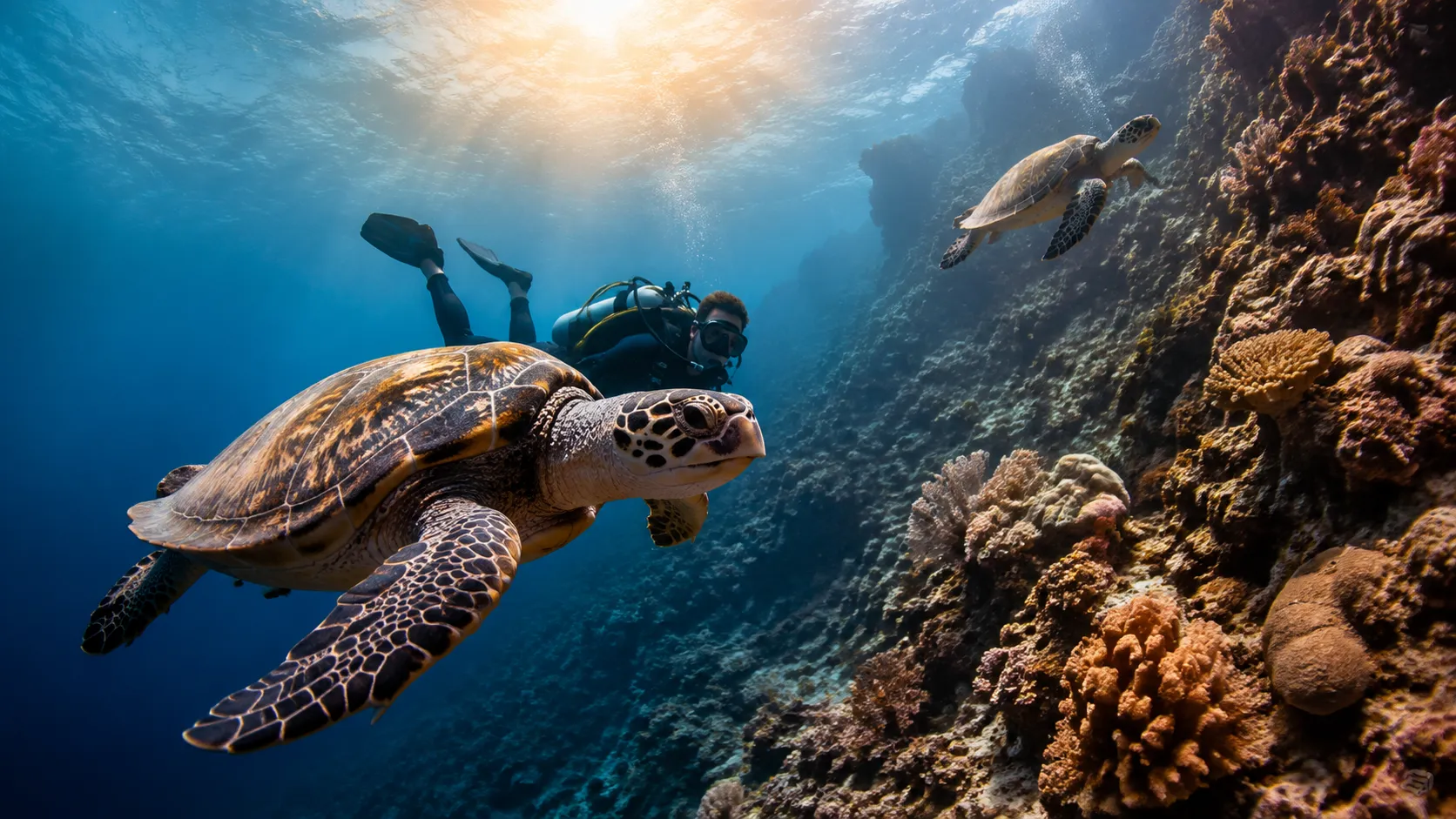
Cozumel
Mexico - 4/5 macro life
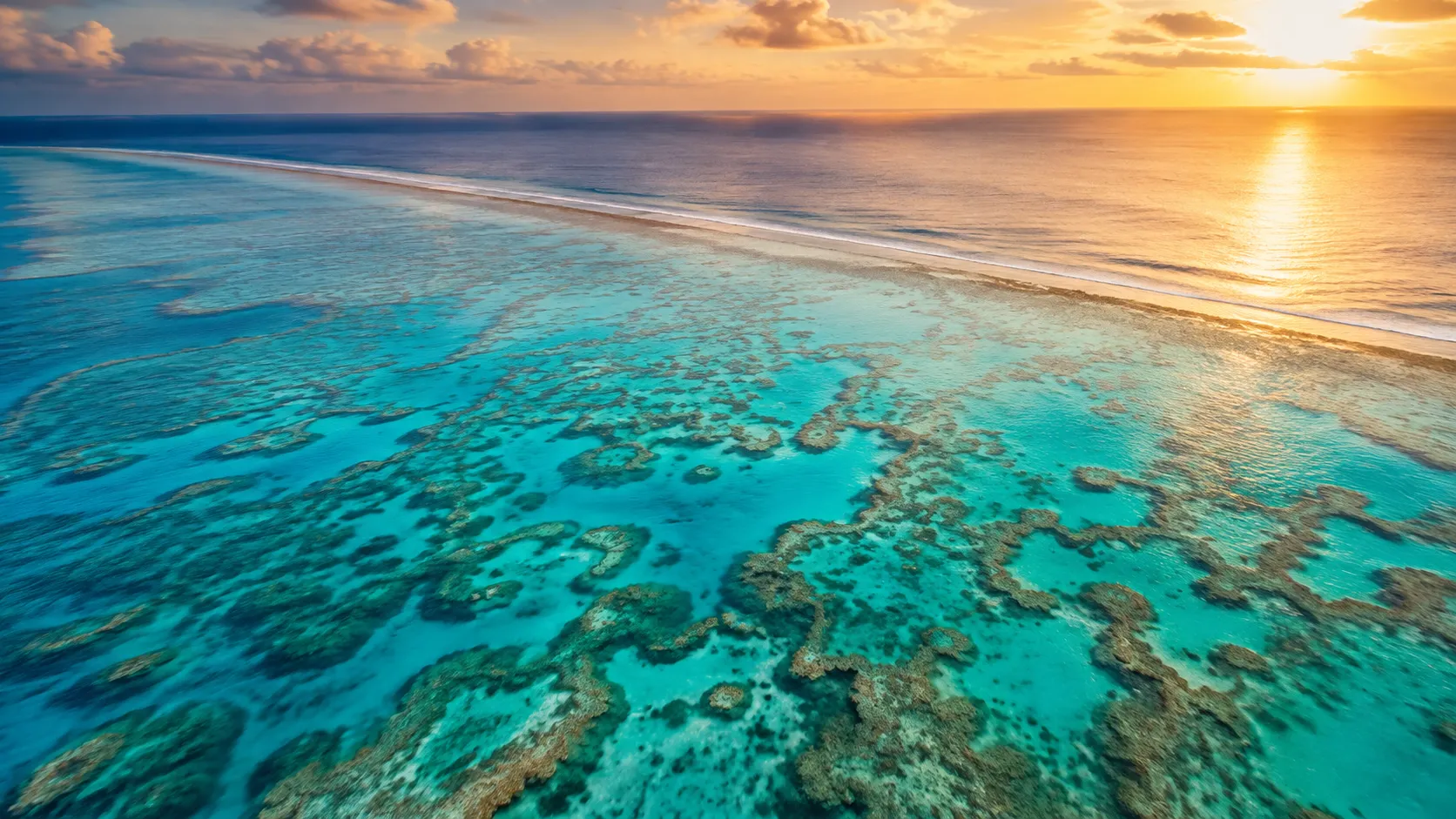
Great Barrier Reef
Australia - 4/5 macro life
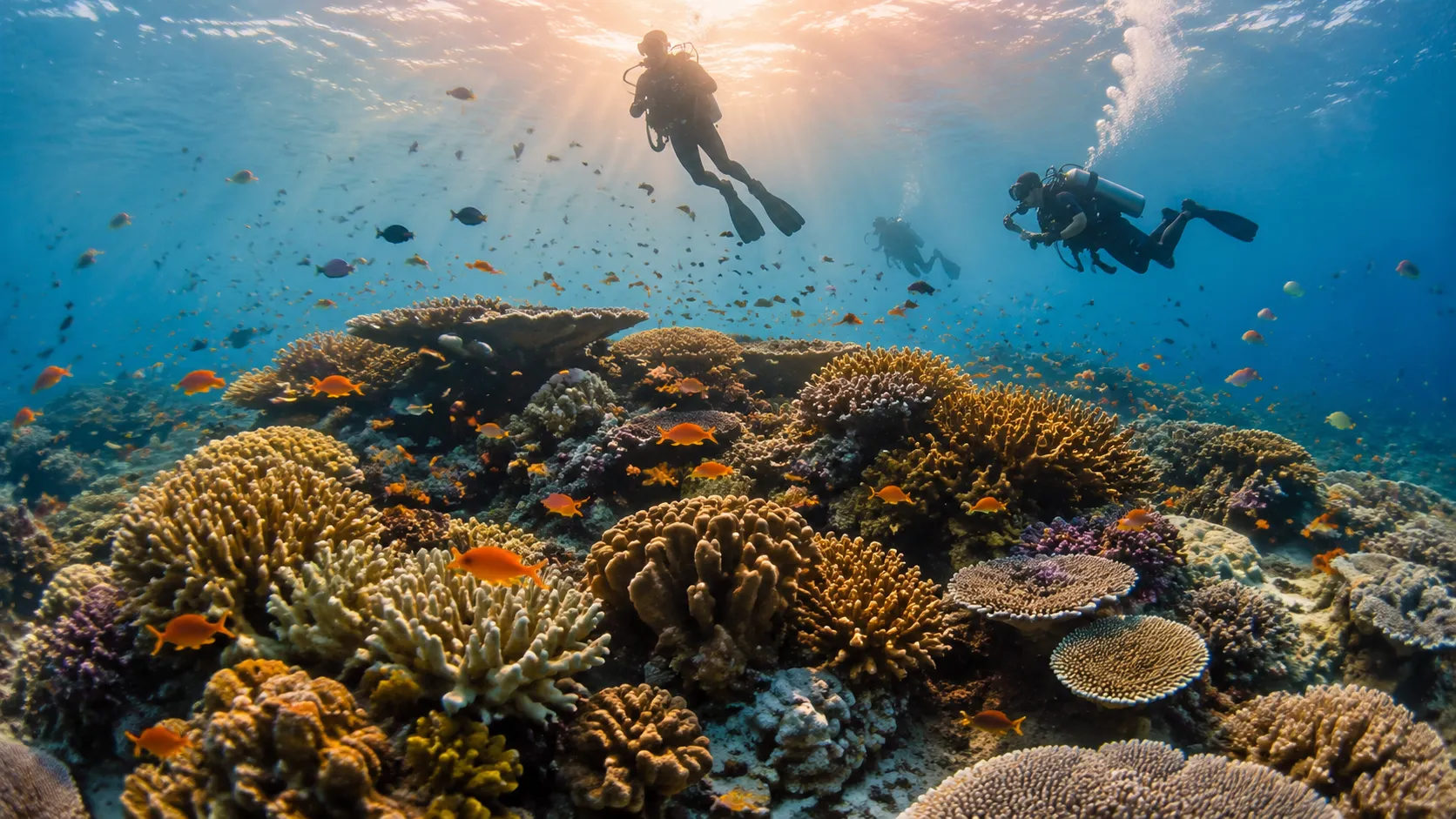
Kimbe Bay
Papua New Guinea - 4/5 macro life
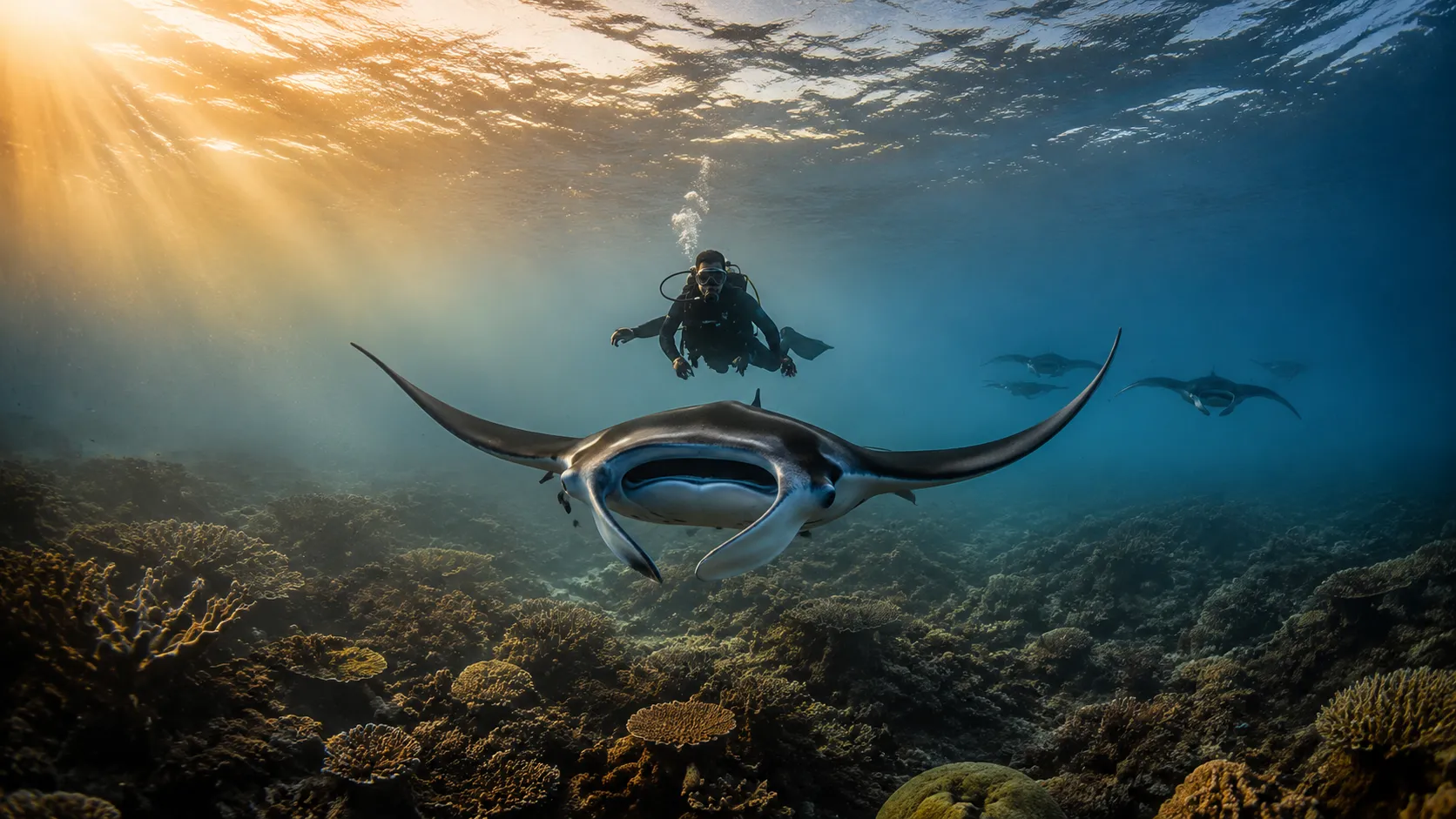
Komodo National Park
Indonesia - 4/5 macro life
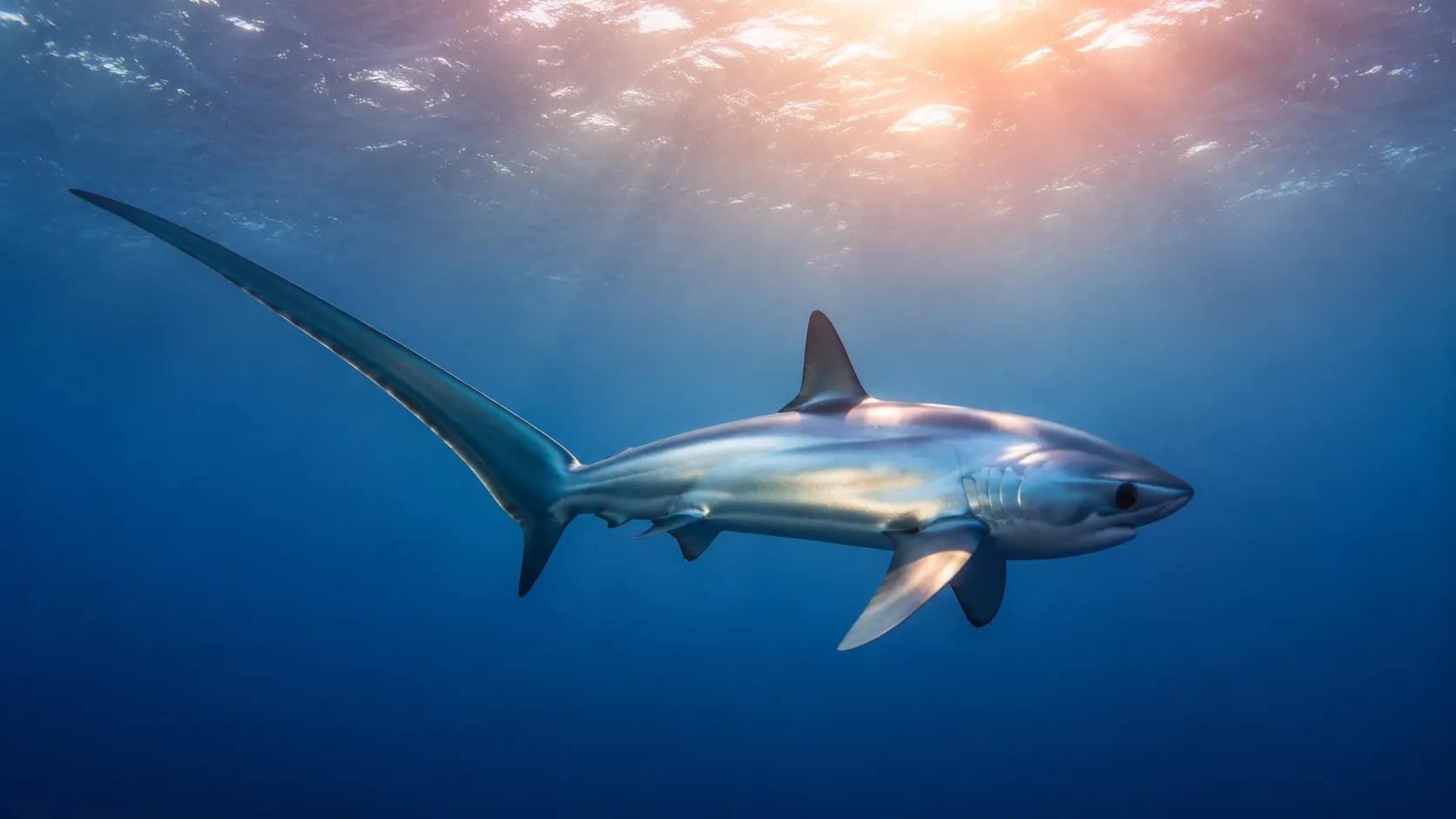
Malapascua
Philippines - 4/5 macro life
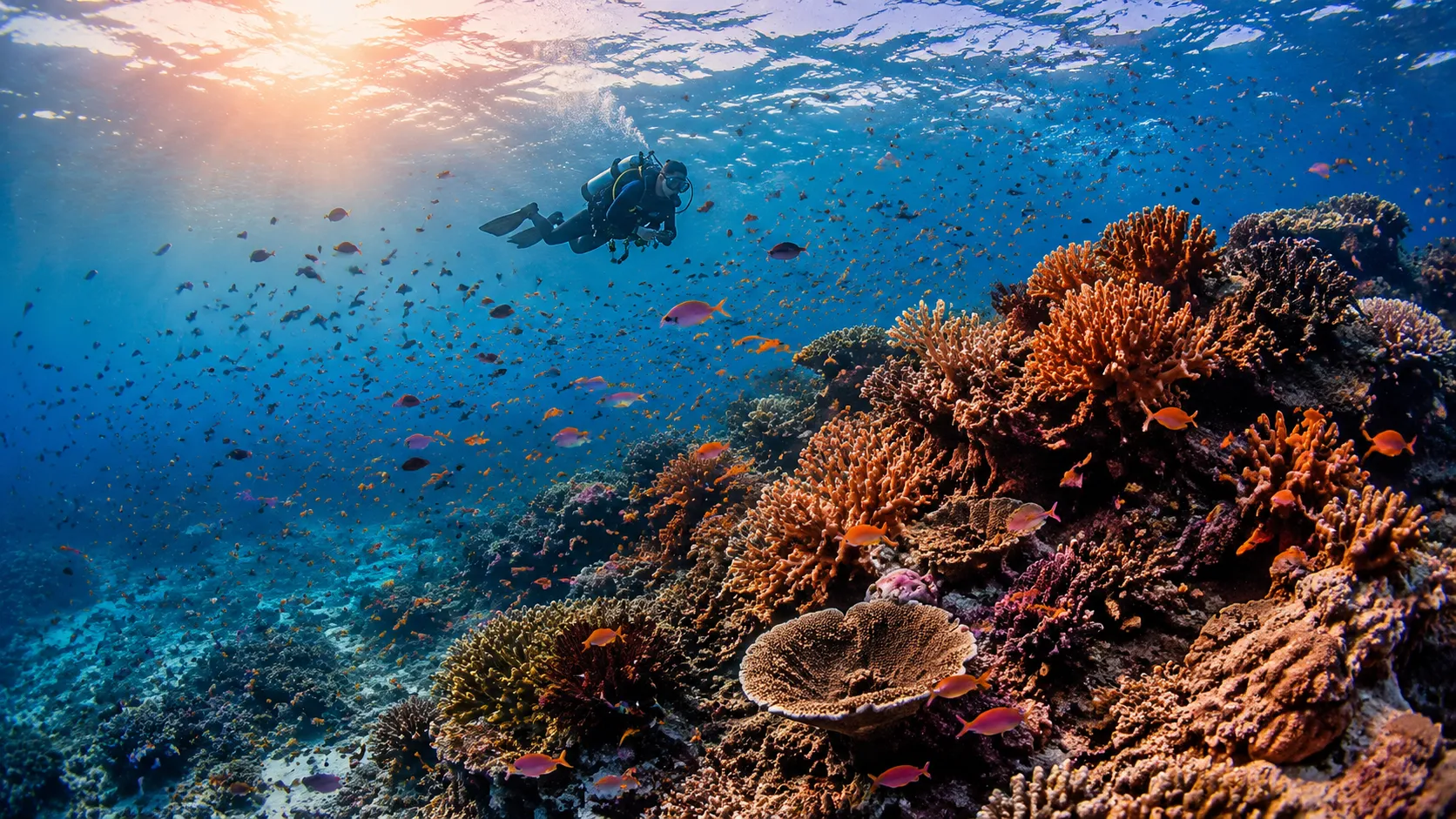
Raja Ampat
Indonesia - 4/5 macro life
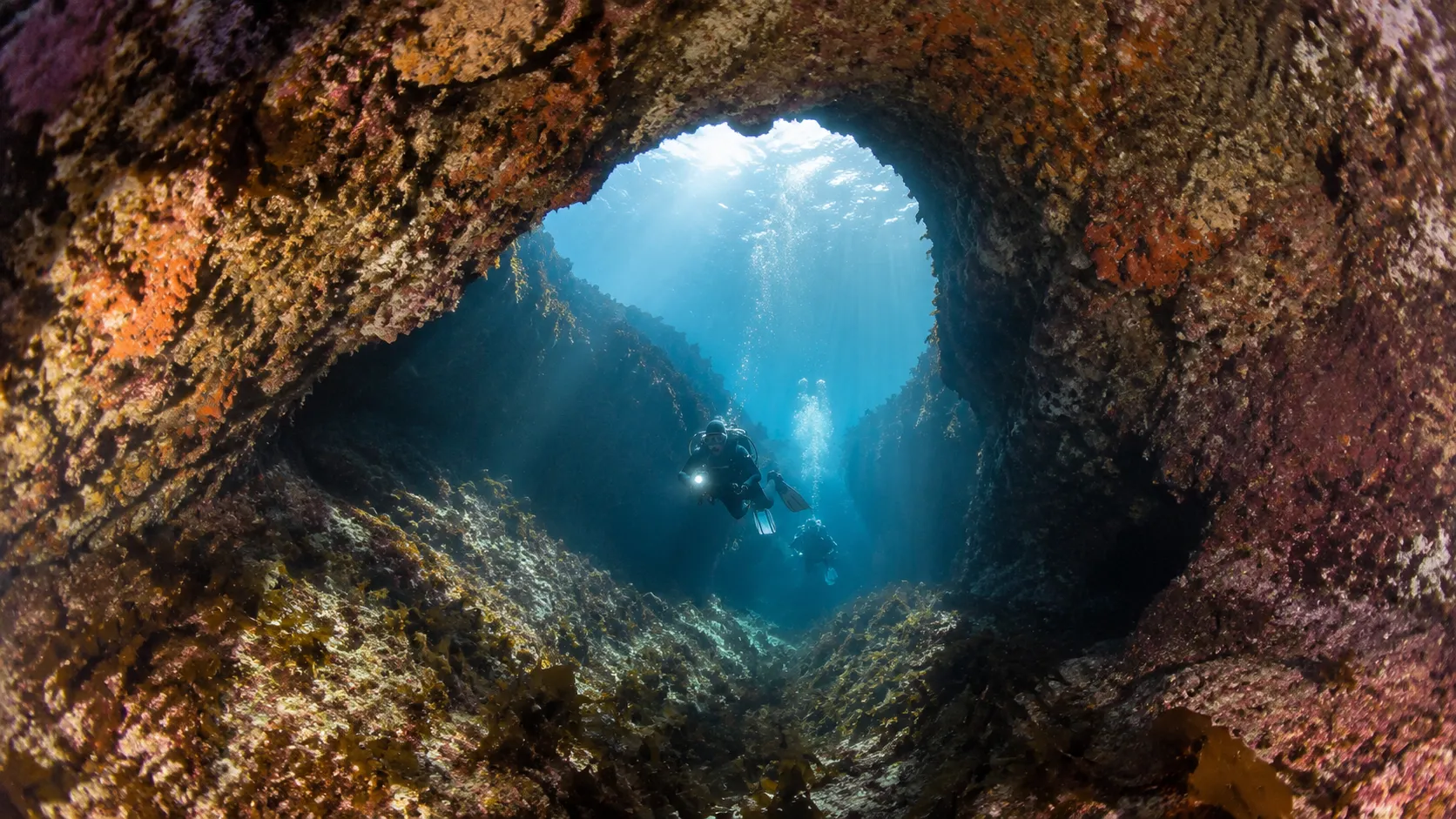
Poor Knights Islands
New Zealand - 4/5 macro life
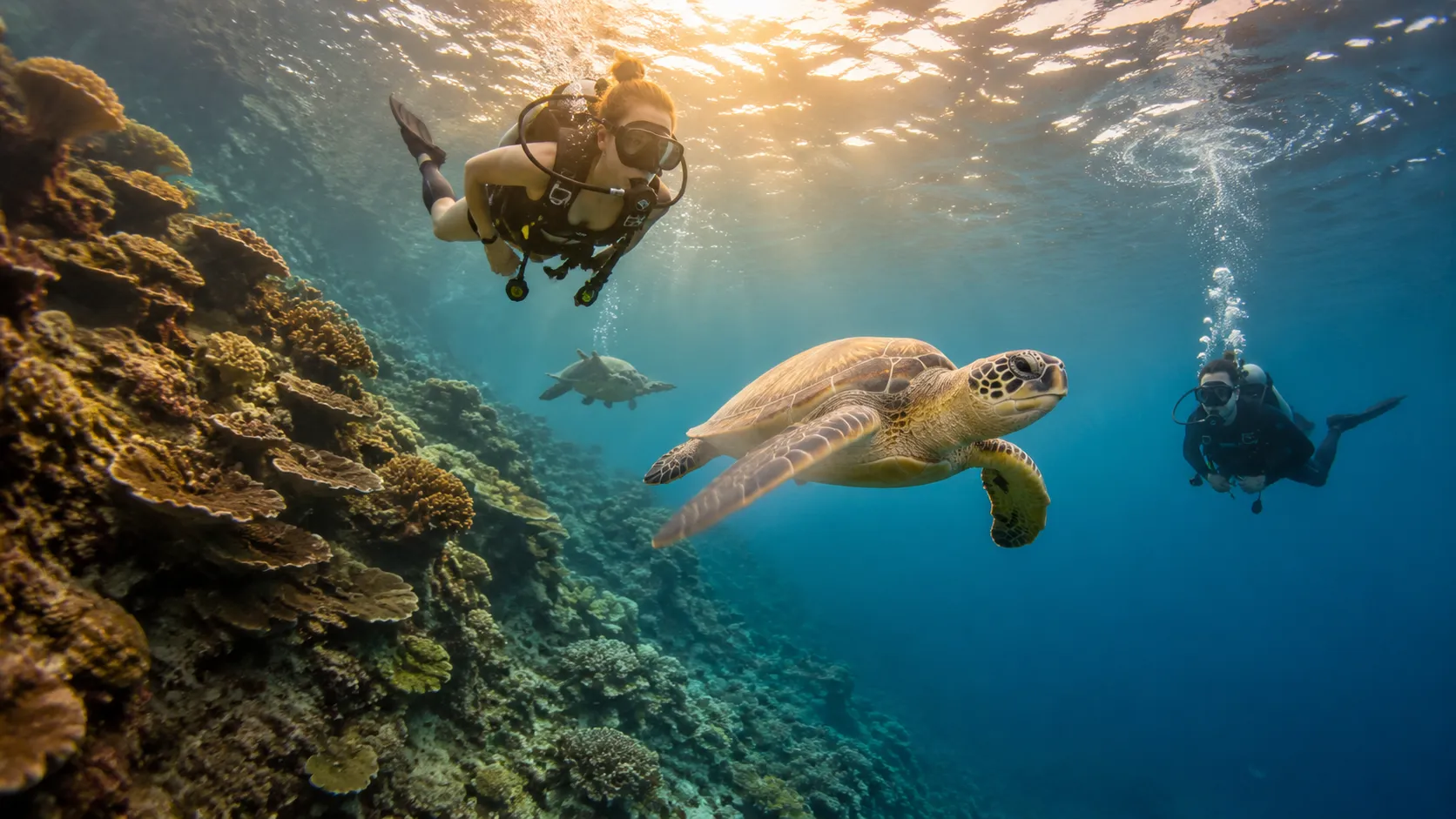
Sipadan
Malaysia - 4/5 macro life
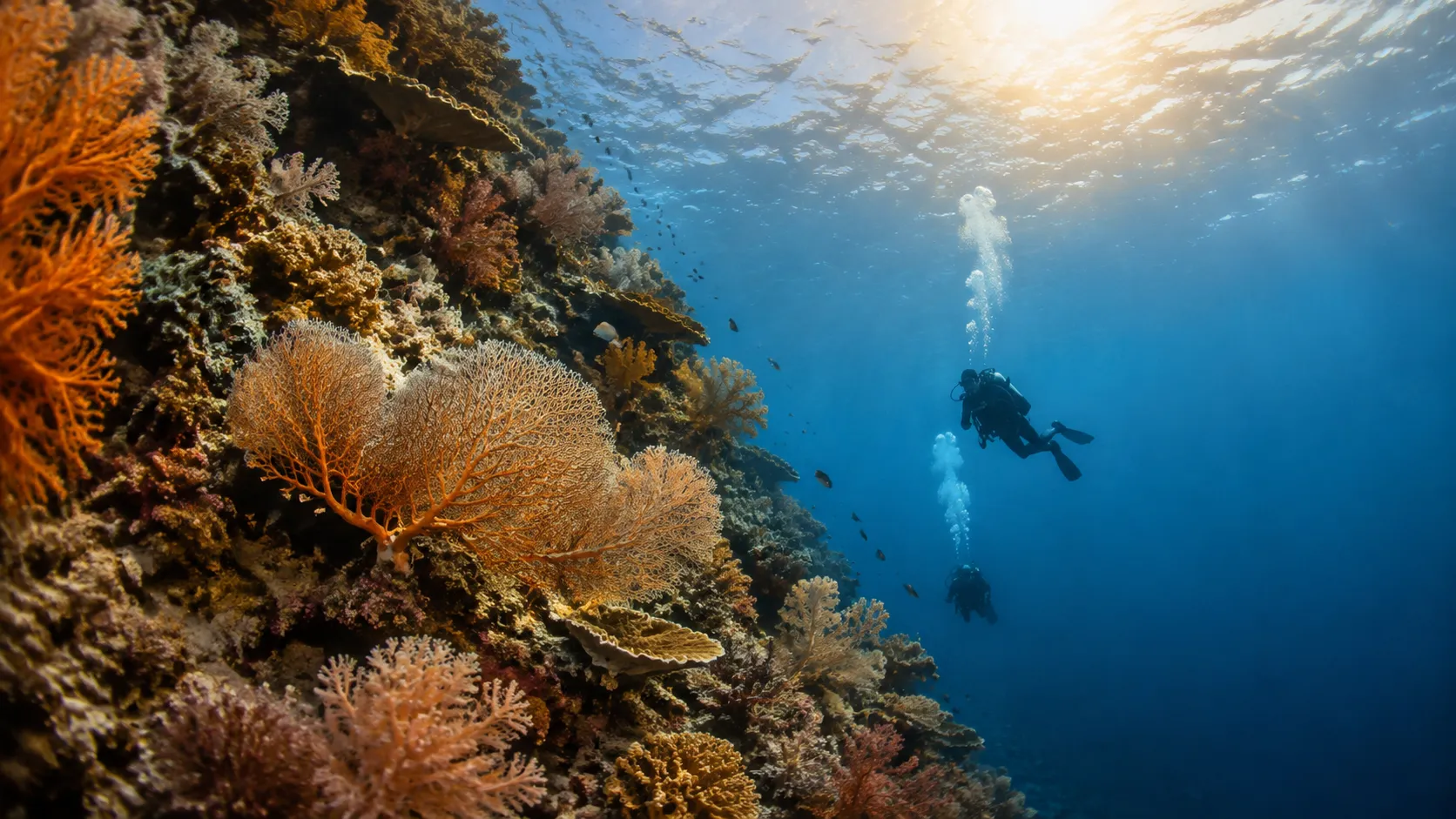
Wakatobi
Indonesia - 4/5 macro life
The Top Macro Life Experiences in Detail
Why these destinations earned a 4+ score for macro life, combining community ratings with our editorial research.
Anilao, Philippines - 5/5 macro life
The nudibranch capital - over 800 species and a macro photographer's paradise.
Rated 4.4/5 overall with 15m visibility and 28°C water, Anilao is best dived from Jan, Feb, Mar, Apr, May, Nov, Dec. The signature sites for macro life are Secret Bay and Twin Rocks. Its beginner difficulty profile and budget pricing tier make it accessible to divers at the right experience level.
Bali, Indonesia - 5/5 macro life
The ultimate dive vacation island - muck diving mecca meets manta ray magic.
Rated 4.2/5 overall with 20m visibility and 27°C water, Bali is best dived from Apr, May, Jun, Jul, Aug, Sep, Oct, Nov. The signature sites for macro life are USAT Liberty Wreck and Manta Point. Its beginner difficulty profile and budget pricing tier make it accessible to divers at the right experience level.
Lembeh Strait, Indonesia - 5/5 macro life
The muck diving capital of the world - where every dive reveals a new alien creature.
Rated 4.6/5 overall with 10m visibility and 28°C water, Lembeh Strait is best dived from Apr, May, Jun, Jul, Aug, Sep, Oct, Nov. The signature sites for macro life are Nudi Falls and Aer Perang. Its beginner difficulty profile and mid_range pricing tier make it accessible to divers at the right experience level.
Bonaire, Bonaire - 4/5 macro life
Shore diving freedom - the world's best self-guided dive destination.
Rated 4.6/5 overall with 25m visibility and 27°C water, Bonaire is best dived from Jan, Feb, Mar, Apr, May, Jun, Jul, Aug, Sep, Oct, Nov, Dec. The signature sites for macro life are Hilma Hooker and Salt Pier. Its beginner difficulty profile and mid_range pricing tier make it accessible to divers at the right experience level.
Chuuk Lagoon, Micronesia - 4/5 macro life
The world's greatest wreck diving - a WWII Japanese fleet frozen in time.
Rated 4.7/5 overall with 25m visibility and 28°C water, Chuuk Lagoon is best dived from Dec, Jan, Feb, Mar, Apr. The signature sites for macro life are Fujikawa Maru and Shinkoku Maru. Its advanced difficulty profile and premium pricing tier make it accessible to divers at the right experience level.
Cozumel, Mexico - 4/5 macro life
The drift diving capital with endless walls, turtles, and easy Caribbean access.
Rated 4.3/5 overall with 30m visibility and 27°C water, Cozumel is best dived from Dec, Jan, Feb, Mar, Apr, May. The signature sites for macro life are Palancar Reef and Santa Rosa Wall. Its beginner difficulty profile and mid_range pricing tier make it accessible to divers at the right experience level.
Great Barrier Reef, Australia - 4/5 macro life
The world's largest living structure - 2,300 kilometers of underwater wilderness.
Rated 4.5/5 overall with 25m visibility and 26°C water, Great Barrier Reef is best dived from Jun, Jul, Aug, Sep, Oct, Nov. The signature sites for macro life are Cod Hole and Osprey Reef. Its beginner difficulty profile and mid_range pricing tier make it accessible to divers at the right experience level.
Kimbe Bay, Papua New Guinea - 4/5 macro life
The coral crucible - 60% of all Indo-Pacific coral species in a single bay.
Rated 4.6/5 overall with 25m visibility and 28°C water, Kimbe Bay is best dived from Apr, May, Jun, Jul, Aug, Sep, Oct, Nov, Dec. The signature sites for macro life are Inglis Shoal. Its beginner difficulty profile and premium pricing tier make it accessible to divers at the right experience level.
Komodo National Park, Indonesia - 4/5 macro life
The wild heart of the Coral Triangle - where dragons meet dragons of the deep.
Rated 4.8/5 overall with 25m visibility and 27°C water, Komodo National Park is best dived from Apr, May, Jun, Jul, Aug, Sep, Oct, Nov. The signature sites for macro life are Batu Bolong and Manta Alley. Its advanced difficulty profile and mid_range pricing tier make it accessible to divers at the right experience level.
Malapascua, Philippines - 4/5 macro life
The only place in the world where you can reliably see thresher sharks every morning.
Rated 4.5/5 overall with 20m visibility and 27°C water, Malapascua is best dived from Jan, Feb, Mar, Apr, May, Nov, Dec. The signature sites for macro life are Monad Shoal and Gato Island. Its intermediate difficulty profile and budget pricing tier make it accessible to divers at the right experience level.
Quick Comparison: Macro Life Destinations
Side-by-side stats for every destination rated 4+ for macro life.
| Destination | Macro Life score | Rating | Visibility | Temp | Best months | Difficulty |
|---|---|---|---|---|---|---|
| Anilao | 5/5 | 4.4/5 | 15m | 28°C | Jan, Feb, Mar, Apr, May, Nov, Dec | beginner |
| Bali | 5/5 | 4.2/5 | 20m | 27°C | Apr, May, Jun, Jul, Aug, Sep, Oct, Nov | beginner |
| Lembeh Strait | 5/5 | 4.6/5 | 10m | 28°C | Apr, May, Jun, Jul, Aug, Sep, Oct, Nov | beginner |
| Bonaire | 4/5 | 4.6/5 | 25m | 27°C | Jan, Feb, Mar, Apr, May, Jun, Jul, Aug, Sep, Oct, Nov, Dec | beginner |
| Chuuk Lagoon | 4/5 | 4.7/5 | 25m | 28°C | Dec, Jan, Feb, Mar, Apr | advanced |
| Cozumel | 4/5 | 4.3/5 | 30m | 27°C | Dec, Jan, Feb, Mar, Apr, May | beginner |
| Great Barrier Reef | 4/5 | 4.5/5 | 25m | 26°C | Jun, Jul, Aug, Sep, Oct, Nov | beginner |
| Kimbe Bay | 4/5 | 4.6/5 | 25m | 28°C | Apr, May, Jun, Jul, Aug, Sep, Oct, Nov, Dec | beginner |
| Komodo National Park | 4/5 | 4.8/5 | 25m | 27°C | Apr, May, Jun, Jul, Aug, Sep, Oct, Nov | advanced |
| Malapascua | 4/5 | 4.5/5 | 20m | 27°C | Jan, Feb, Mar, Apr, May, Nov, Dec | intermediate |
Frequently Asked Questions
What is muck diving?
Muck diving explores volcanic sand slopes and artificial structures where bizarre critters gather: flamboyant cuttlefish, mimic octopus, harlequin shrimp, frogfish, and pygmy seahorses. Indonesia's Lembeh Strait and Anilao are the world capitals of muck, with densities unmatched anywhere else.
Do I need special equipment for macro photography?
A camera with macro mode or a wet/dioptre lens is essential, plus a focus light and patience. Beginners should consider a dive guide who can spot critters - guides in Lembeh and Anilao routinely find 20+ species per dive. A 100mm equivalent lens is the sweet spot for most subjects.
When is the best time for macro diving?
Macro diving is surprisingly seasonal: calm, still water is best for spotting tiny subjects. November to April delivers the calmest conditions across our macro destinations, with 24m visibility and 27°C water. Night dives are excellent - many critters only emerge after dark.
Is macro diving suitable for beginners?
Yes - muck sites are shallow (5-20 meters) with little current, ideal for new divers. The challenge is buoyancy control for photography. We recommend 20+ dives and a buoyancy specialty before a photo-focused trip, since hovering inches above sand without stirring it takes practice.
Explore More Marine Life
Browse other species and related dive collections to plan your next trip.